Clad Welding: Techniques, Applications, and Benefits
Clad welding, also known as cladding or weld overlay, is a process of joining two dissimilar metals to create a new material with enhanced characteristics, such as corrosion resistance or wear resistance. This technique is a core method in surface engineering, commonly used in industries such as oil and gas, chemical processing, and power generation for components like pipes, valves, and vessels.
In our project experience, precision cladding has extended component life 3-4x over untreated parts, and targeted repairs typically cost 30-70% less than full component replacement. The rest of this guide covers how the process works, where it’s used, and what it takes to build a cladding program that actually protects your capital equipment.
How to Apply Clad Welding
Clad welding may seem complex, but it breaks down into four manageable steps.
Step I – Surface Preparation
Before applying any cladding material, it’s important to thoroughly clean the base material to remove impurities such as oil, rust, or dirt. We use an abrasive blasting technique to create a pristine surface for the clad material to bond with. This technique involves shooting abrasive materials at high velocity against the surface using compressed air. It ensures that the surface is free from contaminants, promoting better adhesion and integrity of the clad layer.
Step II – Choosing the Right Welding Method
Selecting an appropriate clad welding method is critical as it directly influences the quality and performance of the cladding. Several common methods are used in clad welding, each with its own advantages and considerations. For instance, Submerged Arc Welding (SAW) is often used for its high deposition rates, making it suitable for thicker cladding layers. Gas Metal Arc Welding (GMAW) offers excellent control over the welding process and is well-suited for moderate thicknesses. Laser Cladding provides precision and minimal heat input, ideal for intricate geometries.
The choice of method depends on factors such as the desired cladding thickness, material compatibility, and specific application requirements.
Step III – Applying the Cladding Material
Using a suitable welding machine, we carefully apply the cladding material onto the prepared base material. Precision and consistency are crucial in this step to ensure an even distribution of the cladding material. The goal is to achieve a uniform layer that firmly adheres to the base material.
Step IV – Post-Weld Treatment
After applying the cladding material, post-weld heat treatment (PWHT) becomes essential. PWHT helps relieve residual stresses developed during welding and enhances the metallurgical properties of the clad layer, contributing to improved mechanical properties and corrosion resistance.
Following PWHT, a thorough inspection verifies the quality of the weld, typically using non-destructive testing methods such as ultrasonic testing or radiography, to confirm the clad layer meets specified standards and performance criteria.
Clad Welding Techniques and Methods
Submerged Arc Welding (SAW)
Submerged Arc Welding (SAW) is well-known for its high efficiency in large-scale production. This method is particularly favored due to its ability to provide deep weld penetration and high deposition rates, making it an ideal choice for welding thick materials. By using a granular flux as a blanket, this technique protects the weld metal from atmospheric contamination, resulting in high-quality welds with reduced spatter levels, which enhance overall welding efficiency.
Moreover, SAW offers exceptional efficiency when working on thick elements, such as heavy plates and pipes. The automated nature of the process allows for consistent and uniform results, contributing to its reliability in industrial settings. This method minimizes the need for post-weld cleaning or extensive refinement due to the controlled welding environment, further streamlining the overall production process.
Gas Metal Arc Welding (GMAW)
Gas Metal Arc Welding (GMAW), also known as MIG/MAG welding, stands out for its versatility in handling a wide range of materials and thicknesses. As a semi-automatic or automatic welding process, it uses a continuous solid wire electrode and a shielding gas to protect the weld area from atmospheric contamination. This technique provides extensive control over the weld bead and weld pool, allowing for precise and well-defined welds.
For industries requiring adaptable solutions for dissimilar metals and varying material thicknesses, GMAW becomes an indispensable option. Its ease of use makes it suitable for both beginners and experienced welders, ensuring consistency and quality in welded joints across different applications.
Laser Cladding
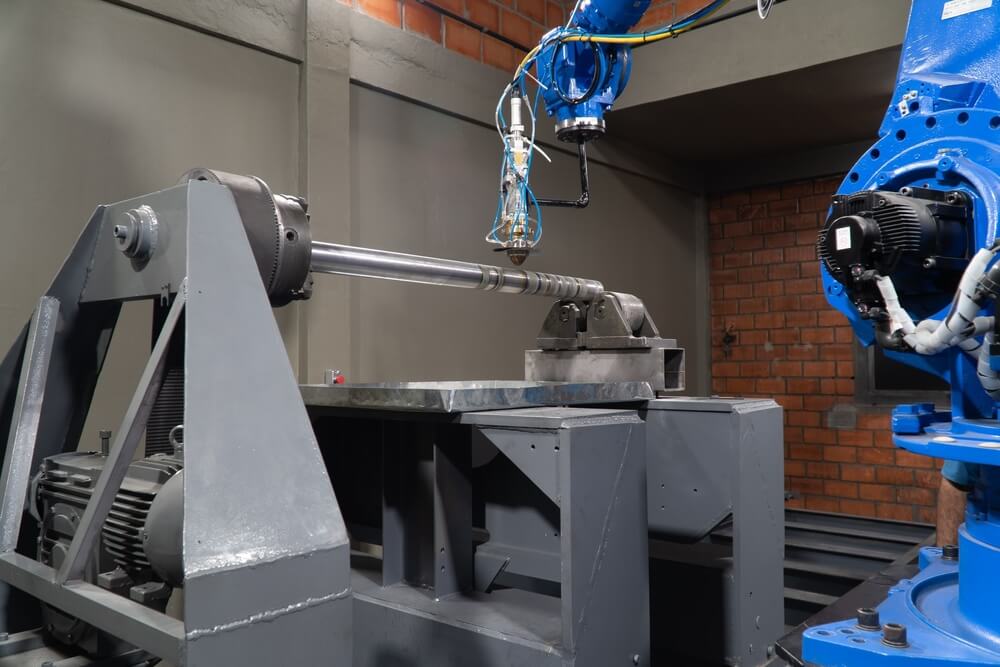
Laser cladding utilizes a focused laser beam to deposit specialized metal coatings onto a substrate surface. This technique ensures exceptional precision, minimal heat input, and negligible thermal distortion during the process. As a result, laser cladding is particularly useful in applications that demand high accuracy and minimal dilution or alteration of the base material.
Industries with stringent requirements for surface quality, such as aerospace and medical device manufacturing, greatly benefit from laser cladding due to its ability to apply thin coatings with minimal impact on the substrate material. Additionally, the absence of filler materials results in decreased material wastage and enhanced cost-effectiveness in specific production scenarios.
Each of these techniques offers unique advantages that cater to different industrial demands and material specifications. The proper selection of clad welding methods plays a crucial role in achieving efficient and high-quality outcomes across diverse applications.
By understanding these distinct methods and techniques, industries can leverage their strengths to address specific welding challenges and optimize production processes accordingly.
The Science of the Bond: Dilution Zone Control
Clad welding creates a metallurgical bond between dissimilar materials, not merely a mechanical one, which is what gives it superior adhesion and long-term performance compared to coatings that simply sit on top of a surface.
The critical variable is the dilution zone: the region where the cladding material and base material mix during welding. If dilution runs too high, the cladding layer picks up too much of the base metal’s chemistry and loses the very properties — corrosion resistance, wear resistance, heat tolerance — it was applied to provide. We target a dilution zone under 10% to preserve the cladding’s intended metallurgical properties at the interface.
Hitting that target requires precise heat input control, carefully matched filler materials, and calculated deposition rates to minimize residual stress and prevent defects like cracking or delamination. Non-destructive testing is typically used afterward to verify the integrity of the bond and confirm dimensional tolerance and material integrity were maintained throughout the process.
Benefits of Clad Welding
Let’s step back for a moment and appreciate the remarkable advantages that clad welding offers. It’s not just about creating a strong bond between dissimilar metals or alloys; it brings about several other key benefits that significantly impact the performance, lifespan, and financial aspect of industrial components.
First and foremost, enhanced corrosion and abrasion resistance is one of the primary reasons why clad welding is widely adopted. The application of a corrosion-resistant layer over a base metal helps protect it from harsh chemical and atmospheric conditions, thereby prolonging its service life and reducing maintenance costs. This means components are less likely to corrode when exposed to aggressive environments, ensuring they remain structurally sound and maintain their performance over an extended period.
Furthermore, clad welding presents exceptional opportunities for cost efficiency. By using a small amount of expensive, corrosion-resistant overlay material on the outer layer while applying it over a cheaper yet robust base metal, substantial cost savings can be achieved without compromising performance or quality. This results in a win-win situation by providing durable components at a reduced overall cost.
In addition to that, another significant benefit comes in the form of improved mechanical properties. Through clad welding, the mechanical properties of the base material can be significantly enhanced. This includes increased wear resistance and higher hardness, making the components more durable and long-lasting. Such improvements are especially crucial in applications where components are subjected to abrasive wear, high pressures, or extreme temperatures.
As we explore these benefits further, we gain a deeper understanding of how clad welding elevates the performance and longevity of industrial components while simultaneously offering compelling economic advantages.
By gaining an appreciation for the benefits of clad welding, it becomes clear that this technique plays a crucial role in enhancing industrial component performance.
Repair vs. Replace: Cost-Benefit Economics
Equipment replacement costs continue to climb while maintenance budgets tighten, which makes the repair-versus-replace decision one of the most consequential calls a maintenance or reliability team makes.
Although the initial investment in clad welding technology can look substantial, our cost analyses consistently show it outperforming full component replacement on long-term economics. In our project experience, targeted cladding repairs typically cost 30-70% less than full component replacement — driven by reduced downtime, minimal material requirements, fewer labor hours, and the elimination of requalification procedures required for brand-new components.
We’ve also seen cladding repairs avoid replacements running into the millions of dollars, particularly on large reactor vessels, boiler tube runs, and rotating equipment where a full swap means extended downtime on top of the hardware cost itself.
When you factor in the operational disruption of a full replacement, production halts, installation complications, and the risk of cascade failures elsewhere in the system, the economics tend to favor a well-executed cladding repair for assets that are otherwise structurally sound. For high-value capital equipment, that translates to preserved capital while maintaining performance and reliability standards.
Common Materials Used in Weld Cladding
Various materials are used in clad welding, each chosen for its unique properties.
Stainless Steel
Stainless steel is a popular choice due to its exceptional corrosion resistance. It’s particularly prized in the chemicals and petrochemicals industries, where exposure to corrosive environments is high, helping protect underlying components and extend their reliability.
Nickel Alloys
Nickel alloys are valued for their strength and ability to withstand extreme temperatures, making them ideal for applications that demand durability under harsh conditions, such as aerospace, power generation, and oil refining.
Copper and Copper Alloys
Copper and its alloys are used extensively in electrical and heat exchanger applications due to their excellent thermal and electrical conductivity, ensuring efficient heat transfer and electrical conduction across a wide range of industrial uses.
The careful selection of these materials is essential not just for achieving desired functional properties, but for ensuring the longevity and effectiveness of clad-welded components overall.
Practical Applications by Industry
Clad welding’s impact is felt across a wide range of industries, making components and structures more resilient in harsh environments.
Oil and Gas Industry: Integrity is everything in the oil and gas industry. Clad welding protects pipelines, pressure vessels, and other components from corrosion, wear, and extreme environmental conditions, extending the longevity and performance of critical assets.
Power Generation: Turbine blades and other components operate under high temperatures and harsh conditions that make them vulnerable to wear and corrosion. Clad welding, along with cladding applied to boilers and heat exchangers, provides superior wear and corrosion resistance and helps withstand steam erosion.
Chemical Processing Reactors and storage tanks in chemical plants are constantly exposed to aggressive chemicals and high temperatures. Clad welding plays a vital role in protecting these structures against corrosion, erosion, and high-temperature degradation.
Mining and Mineral Processing: Equipment handling abrasive ores and slurries requires exceptional wear resistance. Cladding, including tungsten carbide overlays on high-wear components, significantly extends service intervals on equipment that would otherwise degrade quickly under constant abrasive contact.
Maritime: Propeller shafts and shipbuilding components exposed to constant seawater corrosion depend on cladding to maintain structural integrity over long service lives at sea.
Across each of these industries, clad welding goes beyond surface protection. It functions as a shield that supports the consistent performance and long-term resilience of critical, capital-intensive equipment.
Building a Preventative Clad Welding Program
A one-off cladding repair solves an immediate problem. A preventative program is what actually protects your capital budget over time. Here’s the systematic approach we recommend:
- Conduct a thorough equipment assessment to identify critical wear points and failure-prone components before they become emergencies.
- Document baseline metal conditions with ultrasonic thickness testing, so you have a real benchmark to measure wear against over time.
- Develop inspection schedules that align with operational cycles, targeting high-stress periods for closer monitoring.
- Implement a tiered intervention protocol — addressing minor wear immediately while scheduling more thorough treatments during planned downtime windows.
- Train maintenance teams to recognize early wear indicators and document all interventions in a centralized database.
- Partner with certified clad welding specialists who understand your industry’s specific operating challenges and code requirements.
- Establish clear performance metrics to evaluate program effectiveness, including extended equipment life calculations and downtime reduction measurements.
Integrating non-destructive testing techniques throughout the program helps catch surface defects and internal irregularities before they develop into critical failures, which is ultimately the point of moving from reactive repair to a preventative program in the first place.
Limitations and Challenges
Clad welding brings real benefits, but it isn’t without trade-offs. A few things worth planning for:
High Initial Costs
The upfront investment in equipment and materials for clad welding can be substantial. Specialized machinery, high-quality cladding materials, and skilled labor all contribute to these initial costs. While this may seem overwhelming initially, it’s important to remember that these expenses balance out through the long-term benefits of improved component performance, longevity, and reduced maintenance needs.
Complexity in Quality Control
Ensuring a defect-free clad layer demands rigorous inspection and testing. This goes beyond surface visual inspection and extends to employing advanced non-destructive testing (NDT) techniques like ultrasonic testing and radiographic inspection. These methods play a crucial part in detecting internal defects within the clad layer, preserving the high quality and integrity of the weld.
Potential for Material Compatibility Issues
Not all base materials and cladding metals are compatible. Certain combinations are prone to delamination or cracking if not carefully selected and tested, which can compromise the structural integrity of the weld. Thorough testing and analysis before a project begins helps prevent these complications down the line.
What We’ve Seen in the Field
Across our project work, a few patterns show up consistently enough that they’re worth sharing directly, rather than as isolated anecdotes.
Offshore and marine environments are some of the harshest conditions a welded structure will ever face — constant saltwater exposure, wind, and wave loading wear down traditional steel structures quickly. Structural components built or repaired with clad welding have consistently proven more resilient and longer-lasting in this setting, with the corrosion- and erosion-resistant cladding layer reducing downtime and maintenance costs enough to represent meaningful financial savings over the life of the asset.
Nuclear and power generation components carry a different set of demands, where safety and long-term structural integrity are non-negotiable. Cladding plays a critical role in protecting components against radiation exposure and corrosion, helping ensure that essential parts retain their structural integrity even in extreme operating conditions over extended service periods.
High-wear mechanical components — reactor vessels, boiler tubes, mining equipment, and similar assets — are where the economics of cladding show up most clearly. In our project experience, precision cladding has extended component life 3-4x over untreated parts, and we’ve seen cladding repairs avoid replacements running into the millions of dollars on large vessels and rotating equipment alone. On mining equipment specifically, tungsten carbide overlays have meaningfully extended service intervals compared to untreated components, and on boiler tubes, precision cladding at critical erosion points has kept wall thickness within specification across multiple additional operational cycles.
Taken together, these patterns are why we treat cladding as a strategic maintenance decision rather than a last resort — the data holds up consistently across very different operating environments.
Future Innovations in Clad Welding
The future of clad welding is being shaped by three key areas of development.
Advanced Robotics and Automation
Clad welding stands to benefit significantly from the integration of advanced robotics empowered by AI, ensuring higher precision, consistency, and productivity. These robotic systems offer unparalleled opportunities to drive significant progress by improving upon human movement with near-perfect precision and repeatability, ultimately enhancing productivity and efficiency in complex or large-scale applications.
New Material Combinations
The incessant pursuit of innovation in clad welding is driven by the variety of materials at our disposal. Researchers continually seek to expand the range of applications for clad welding by developing new alloys and material combinations, significantly impacting numerous sectors such as energy production and manufacturing.
Sustainable Practices
Innovations aimed at reducing waste and energy consumption in the cladding process are gaining momentum, from material efficiency initiatives to more energy-efficient welding practices industry-wide.
These developments are setting the stage for continued evolution in clad welding, supporting a more sustainable and efficient future for the industries that depend on it. For more detailed insights and quality testing services in this field, visit WH Labs.
FAQs
What are the advantages and disadvantages of clad welding compared to other welding techniques?
Clad welding offers several advantages compared to other welding techniques. Firstly, it allows the combination of different materials with distinct properties, enhancing overall performance and durability. Secondly, the precise control over the thickness of the cladding layer provides versatility and cost-effectiveness. Additionally, clad welding minimizes heat-affected zones, reducing distortion and maintaining material integrity. However, a disadvantage is that clad welding may require more complex equipment and specialized skills compared to traditional welding methods.
How does clad welding differ from other types of welding, such as TIG or MIG welding?
Clad welding differs from TIG and MIG welding primarily in terms of the materials involved. TIG and MIG welding focus on joining similar metals, while clad welding involves bonding two different materials together. This offers benefits including enhanced corrosion resistance, improved durability, and increased strength, particularly in critical applications where dissimilar metals are required.
What Is the Difference Between Cladding and Overlay Processes?
Cladding refers to the method of depositing a protective material layer on a base metal, while an overlay refers to the weld-deposited layer or process used to apply that material. Cladding can be applied using methods such as roll bonding or explosion bonding, whereas an overlay is specifically created by depositing material through a welding process. In practice, weld cladding and weld overlay are often used interchangeably, with “cladding” emphasizing the function of the layer and “overlay” emphasizing the welding process.
What industries or applications commonly use clad welding?
Clad welding is commonly used in oil and gas, nuclear power, chemical processing, power generation, mining, maritime, and aerospace. In oil and gas, it’s used for fabricating corrosion-resistant pipes and equipment for long-term durability in harsh environments. In nuclear power plants, it plays a role in constructing reactor components able to withstand high temperatures and corrosive conditions.
Can clad welding be used on different types of materials, such as metals and non-metals?
Yes. Clad welding involves combining multiple layers of different materials to create a composite structure with desired properties, offering improved corrosion resistance, increased strength, and enhanced wear resistance across a range of material types and combinations.
How long does a typical clad welding repair last?
In our experience, clad welding repairs typically last 5-15 years, though we’ve seen them endure 20+ years with proper application technique and regular maintenance in industrial service environments.
What certifications should clad welding technicians possess?
Clad welding technicians should hold AWS certifications, ASME qualifications, and relevant PQRs, WPSs, and industry-specific endorsements. Proper documentation of NDT training helps ensure consistently reliable metallurgical results.
Can clad welding be performed on-site during active operations?
On-site clad welding during active operations is possible in limited scenarios, but safety protocols must address fire risk, ventilation, and equipment isolation to prevent operational disruption and protect personnel.
Are there specific safety precautions or certifications required for clad welding?
Yes. Welders must undergo appropriate training and certification to safely perform clad welding, including understanding welding-related risks, using proper PPE such as helmets and gloves, and following established safety procedures.
Are there environmental regulations specific to clad welding processes?
Yes. Clad welding is subject to EPA and OSHA regulations controlling emissions, fume exposure, and waste disposal, and local jurisdictions may impose additional requirements around particulate matter and heavy metal handling.
Ready to Extend the Life of Your Critical Equipment?
Whether you’re evaluating a single high-value component or building out a plant-wide preventative cladding program, WH Labs’ ASME-certified welding and NDT teams can help you determine whether repair or replacement is the right call and execute on it with documentation that holds up to your industry’s compliance standards.
Get a Free Quote or call 713-895-7504 to talk through your equipment’s specific requirements.