Welding Solutions for the Chemical Industry
The chemical industry is changing how it approaches welding. At WH Labs, we’ve developed special techniques for working with high-performance alloys in harsh environments. Our methods meet ASME, OSHA, and API standards.
These advanced welding processes are key to today’s chemical processing industry. They ensure safety and quality in critical operations.

Key Points
- WH Labs offers specialized welding services for corrosive materials like Hastelloy, Inconel, and duplex stainless steel in Houston’s chemical sector.
- All welding work follows ASME Section IX standards. We also do comprehensive non-destructive testing for safety.
- Certified welders do overlay welding and cladding with corrosion-resistant alloys for equipment and pipelines.
- Quality control includes radiographic, ultrasonic, and dye penetrant testing. We document all inspection results.
- Our team is skilled in pressure vessel fabrication and pipeline systems. We use complex metallurgy for critical applications.
Advanced Welding Solutions for Chemical Processing Equipment
Nearly every chemical processing facility needs specialized welding solutions. This is to keep their equipment and infrastructure safe.
At WH Labs, we tackle your toughest welding challenges. This includes pressure vessel repairs and pipeline modifications.
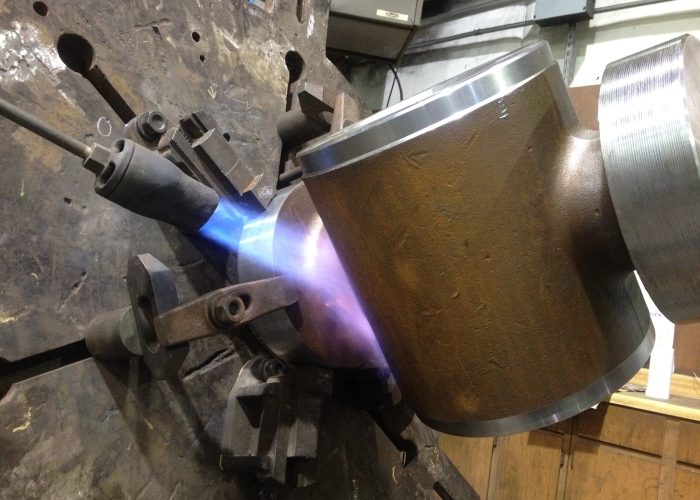
We use advanced techniques like orbital TIG welding and automated plasma arc processes. These ensure consistent, high-quality welds for corrosion-resistant materials. Our certified welders work with alloys like Hastelloy, Inconel, and duplex stainless steel. They deliver precise results that meet ASME Section IX standards.
We prioritize safety and quality control in every project. When you work with us, you get access to our testing facilities and real-time project monitoring.
Our non-destructive testing capabilities help us detect and address weld defects early. This prevents any issues in your operations.
Safety Standards and Compliance in Industrial Welding
Maintaining high welding standards is crucial. But following strict safety protocols and adhering to compliance requirements is even more important. We meet and exceed OSHA regulations, ASME standards, and API specifications for equipment fabrication.
Our certified welders follow thorough safety measures. This includes proper ventilation, specialized PPE, and regular equipment checks. We have robust safety management systems for hot work permits, confined space procedures, and hazardous material handling.
We keep detailed records of all safety certifications, welding procedures, and compliance. Our continuous monitoring ensures every weld meets safety and industry standards. This protects your team and assets while delivering top results.
Our Weld Quality Control includes advanced testing equipment and thorough inspections. We ensure full compliance with AWS, ASME, and ASTM specifications.
Specialized Techniques for Corrosive Environment Applications
Chemical processing environments need advanced welding techniques. These must combat severe corrosion, high temperatures, and aggressive chemical exposure. We specialize in overlay welding and cladding processes that protect equipment using corrosion-resistant alloys like Inconel, Hastelloy, and duplex stainless steels.
We’ve perfected dissimilar metal welding techniques. This is key when joining different alloys in chemical processing systems. Our certified welders use specialized purging methods and precise heat control for joint integrity in high-stress areas.
We implement advanced surface preparation and post-weld heat treatments for corrosion resistance. Automated welding systems ensure consistent penetration and overlay thickness in large-scale applications. This secures your equipment’s structural integrity in aggressive chemical environments. Our team provides wear resistance coatings for components facing extreme abrasion in chemical processing operations.
Quality Assurance and Testing Protocols
We have a strict quality assurance program. It uses many testing methods to check welds in chemical plants. We use RT, UT, PT, and hydrostatic pressure tests to ensure quality.
Our team checks welds before and after testing. We keep detailed records of all tests. These records are for your quality files.
We follow ASME Section IX standards. This means you can trust your equipment. Our material properties assessment helps choose the best testing methods.
Pressure Vessel and Pipeline System Expertise
We specialize in welding for pressure vessels and pipelines. Our team is certified in ASME Section IX code-compliant fabrication. We use advanced techniques for chemical processing applications.
We work with complex materials like duplex stainless steel and titanium alloys. These materials are key to resistance to corrosion and structural strength. Our welders control heat and temperatures to avoid damage.
We ensure every weld meets chemical processing standards. Our failure analysis tests help prevent problems by finding and fixing issues early.
Project Management and Engineering Integration
We have a system that works well together on projects. This includes welding teams, quality control inspectors, and engineers.
Our project managers keep detailed records. These include material certifications, weld maps, and test results. We follow ISO 9001 standards to show our commitment to quality.
Coordination Across Multiple Teams
Good teamwork is key to welding projects. We have clear communication between teams. This ensures everyone has the latest information.
We use daily meetings, digital tracking, and problem-solving sessions. Our coordinators keep communication lines open. They manage schedules and safety protocols.
Effective teamwork needs more than good intentions. We have standard documents and training. This keeps everyone focused on project goals and quality.
Quality Control Documentation Standards
We have strict quality control standards. Our digital system tracks welds, inspections, and certifications in real-time. This meets ASME Section IX and API 570 standards.
We document welding procedures, qualifications, and inspections. Our three-tier review process ensures quality. We provide detailed documentation packages for your records.
Frequently Asked Questions
What Is Your Emergency Response Time for Critical Welding Repairs?
We respond quickly to emergencies. Our team is ready within 2-4 hours. We work 24/7 to reduce downtime and risks.
What Are Your Minimum Project Size Requirements for Chemical Industry Contracts?
For chemical projects, we need a minimum of $25,000. This ensures we can allocate the right resources, follow safety rules, and maintain quality. For smaller projects, we assess based on scope and technical needs.
How Long Is Your Warranty Period for Industrial Welding Work?
We offer an 18-month warranty for our welding work. This covers materials and workmanship. For critical parts, we extend the warranty to 24 months after a detailed inspection and documentation.
Do You Offer Consultation Services for Material Selection and Weld Design?
We offer consultation services to help you choose the best materials and design welds. We ensure they meet your needs and follow industry standards and safety rules.
Takeaway
We’re dedicated to top-notch industrial welding solutions for chemical facilities. Our advanced methods, strict safety, and quality checks ensure reliable work in harsh environments. We keep up with new welding tech and strict standards. Trust us for your critical welding needs.