Magnetic Particle Inspection (MPI) for Effective Detection
Magnetic particle inspection is a non-destructive testing method used to detect surface and near-surface flaws in ferromagnetic materials. This method involves magnetizing the material and applying iron particles (dry powder or suspended in a liquid), which will accumulate at areas of magnetic flux leakage, indicating the presence of defects. This is commonly used in industries such as aerospace, automotive, and manufacturing to ensure the integrity of critical components.
What is Magnetic Particle Inspection?
In simple terms, Magnetic Particle Inspection (MPI) is akin to giving materials a comprehensive check-up. This non-destructive testing (NDT) method serves as the detective work of the materials world. It is used to reveal hidden defects and discontinuities in ferromagnetic materials like iron, steel, nickel, and cobalt. These materials can be visualized as little magnets inside themselves, and MPI capitalizes on this property. MT is highly effective at detecting surface and slightly subsurface discontinuities.
How Does Magnetic Particle Inspection Work?
It’s all about making invisible defects visible. First, the material being tested is magnetized. Next, ferrous particles are applied to the surface. The magnetic field causes these particles to cluster together at any tiny breaks or cracks in the material – these are your defects! This forms visible indications on the surface, pointing directly to any faults that need addressing.
Why is MPI Crucial?
So, why is MPI so crucial? Well, envision this: An airplane relies on numerous metal components to function safely and efficiently. If even one of these components has an undetected defect, it could spell disaster. With MPI, faults are caught before they become larger issues, ensuring that everything from airplane parts to pieces in the automotive industry and beyond operates with structural integrity.
The significance of structural integrity: When you’re driving a car down the road or flying high up in the sky, the last thing you want to worry about is whether the metal parts holding everything together are strong and safe. MPI helps minimize those worries by catching potential problems early.
Imagine a bridge made of steel – a crucial link connecting two cities. With magnetic particle testing, cracks and weaknesses can be identified long before they become dangerous, allowing for proper maintenance and ensuring safety for all who cross it.
In essence, Magnetic Particle Inspection acts as a guardian angel for ferromagnetic materials, preventing potential disasters by detecting defects before they become larger issues.
Magnetic Particle Testing Principles and Techniques
Magnetic Particle Inspection operates on a simple, yet incredibly effective principle. When a ferromagnetic material is magnetized, any discontinuities or defects within the material will distort the magnetic flux. When magnetic particles are applied to the surface, they are drawn towards the flux leakage field, creating a visible indication of the defect. This allows inspectors to easily identify flaws such as cracks, voids, seams, and other structural imperfections in the tested material.
Types of Magnetization
Longitudinal Magnetization creates a magnetic field parallel to the length of the part. Creating a longitudinal magnetic field is particularly useful for detecting surface-breaking indications. Conversely, Circular Magnetization induces a magnetic field around the circumference of the part. This technique is beneficial for identifying both surface and subsurface defects in cylindrical or ring-shaped components.
Each method has its specific use case; understanding their differences allows for efficient and accurate defect detection during inspections. The choice between these methods largely depends on the orientation and shape of the part being tested, as well as the type of defects targeted for detection.
Techniques Used in MPI
Magnetic particles can be applied using two primary methods: the wet method and the dry method. In the Wet Magnetic Particle Testing (WMPT) Method, a suspension of magnetic particles in a liquid carrier is utilized. This method offers better particle mobility across complex surfaces and tight spaces. Thereby, it enables enhanced coverage and detection of smaller defects.
On the other hand, the Dry Method involves applying dry magnetic particles directly onto the surface of the part under inspection. While this approach may be less messy compared to the wet method, it may not provide comprehensive coverage, especially on irregular or complex surfaces.
Understanding these techniques is invaluable for conducting thorough and accurate magnetic particle inspections. It directly impacts the effectiveness of defect identification and helps ensure the safety and reliability of critical components across various industries.
Having discussed these foundational principles and techniques, let’s now examine how professionals apply MPI in different industrial settings to achieve optimal defect detection outcomes.
Step-by-Step MPI Process
The first fundamental step in magnetic particle inspection is surface preparation. This involves thoroughly cleaning the test surface to remove any contaminants like dirt, oil, or paint that could interfere with the inspection process.
I’ve always found this step to be akin to setting the stage for a perfect performance. The cleaner and clearer the stage, the more concentrated we can be on the actual show. Skipping this step leads to inaccurate readings and unnecessary confusion during inspection.
Step I – Surface Preparation
As experts in MPI, our team knows that surface preparation is crucial for reliable results. The surface of the test object must be clean and free of contaminants. We use special cleaning solvents and cloths to ensure the surfaces are free from any unwanted material.
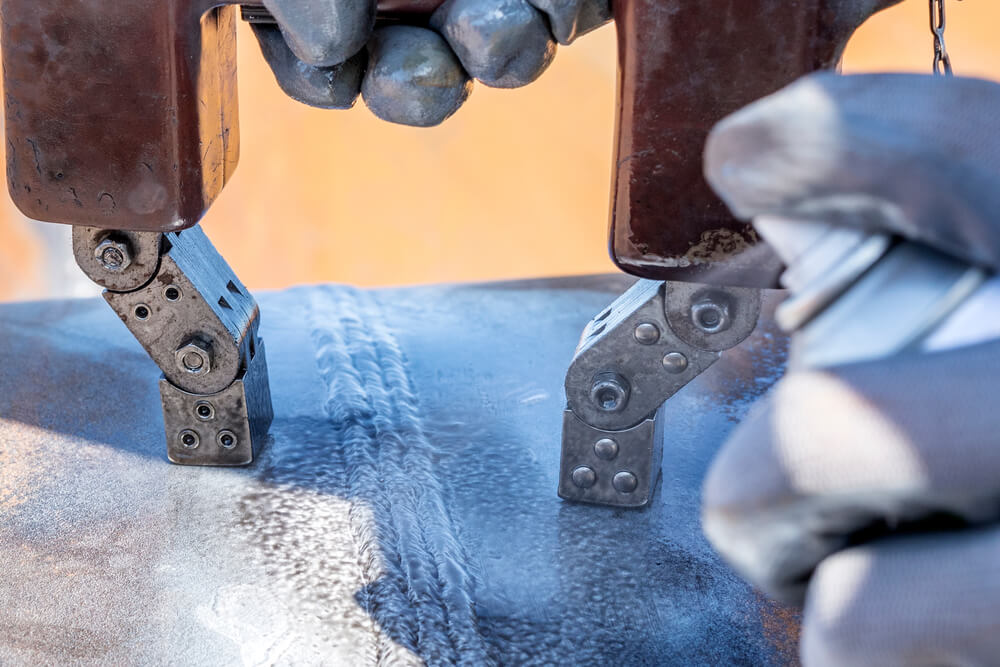
Next comes magnetization, which is essential to visualize defects by applying ferrous magnetic particles. There are methods available for magnetizing the part, such as longitudinal or circular magnetization using specific equipment like yokes, coils, a permanent magnet, or central conductors.
Step II – Magnetization
In our lab, we often use both longitudinal and circular magnetization techniques. It is crucial to select the right method based on the type and size of the part being inspected.
The application of magnetic particles is where things really start to get interesting. The particles can be applied using either the wet method—such as spraying or brushing a suspension—or the dry method, where they are dusted onto the surface.
Step III – Application of Magnetic Particles
Our lab prefers using fluorescent particles and UV (ultraviolet) light during magnetic particle inspections, especially when dealing with parts with complex geometries or hard-to-reach areas. The use of UV light enhances visibility by making the particles fluorescence and helps ensure that no defect goes unnoticed.
Moving on to inspection, this is where all our preparation culminates in seeking out those elusive defects. Using visible light or UV light, we carefully inspect the surface for particle accumulation, which indicates a defect.
Step IV – Inspection
This stage is truly like putting together clues from a crime scene; every small detail can reveal something significant about what’s happening beneath the surface. The thoroughness of this step plays a major role in determining the reliability and accuracy of our findings.
Finally, after inspection, it’s essential to complete demagnetization and cleaning. Demagnetizing the part and removing residual particles will restore it to its original condition.
Step V – Demagnetization and Cleaning
After the inspection, the test object often needs to be demagnetized. This process ensures that no unwanted magnetism remains in the part, which could interfere with its future use, while also cleaning off any lingering magnetic particles.
This step-by-step process emphasizes not just technique but also precision and attention to detail. It’s this careful process that ensures our MPI inspections remain top-notch in delivering accurate results every time.
Use of Visible and Fluorescent Inspection Methods
The visible method involves applying colored magnetic particles (often black) onto the surface being inspected. These particles create a visible contrast against the background, making it easier to identify any defects. This method is particularly suitable for inspecting large, less complex objects or in environments with ample daylight.
When inspecting large components, the visible method proves to be reliable, offering detailed results akin to using a magnifying glass to find a speck of dust when used on the right kind of materials.
On the other hand, the fluorescent method introduces a more advanced approach by utilizing fluorescent magnetic particles observed under UV-A (long-wave ultraviolet-A) light. This technique offers enhanced sensitivity, detecting smaller, subtle defects missed by the visible method. Hence, it is ideal for critical applications demanding high accuracy, precision, and absolute flaw detection.
It’s akin to identifying fingerprints at a crime scene—just like how UV light reveals things that our normal eyes can’t see. The fluorescent method does precisely that when it comes to detecting microscopic defects within materials.
The visible and fluorescent inspection methods complement each other, covering a broad spectrum of defect identification needs based on individual material properties and specific inspection conditions. It’s like having different lenses on a camera—each one brings out details differently depending on the lighting and environment. Similarly, these two methods offer a holistic approach to magnetic particle inspection, ensuring comprehensive defect detection across various scenarios and material types.
As we’ve explored the intricacies of magnetic particle inspection methods, let’s now learn the benefits of this cutting-edge technology in detail.
Advantages of Magnetic Particle Inspection
High Sensitivity: MPI excels at detecting minute surface and near-surface defects, identifying potential structural weaknesses before failure occurs without damaging the material.
Cost-Effectiveness and Efficiency: Compared to other non-destructive testing (NDT) methods, MPI offers low operational costs and high efficiency. This makes frequent, routine inspections economically feasible.
Real-Time Results: The method provides immediate visual insights into material integrity, allowing for swift quality control decisions regarding repairs or replacements.
Versatile Application: MPI is highly adaptable to complex geometries and large-scale components, making it an indispensable tool across industries like aerospace, automotive, and pipeline manufacturing, where access or visibility may be restricted.
Common Applications in Industry
When it comes to magnetic particle inspection, it’s remarkable how widely it’s used across various industries to ensure the structural integrity and safety of critical components. Let’s take a closer look at how this non-destructive testing method is indispensable in some key sectors.
Aerospace
In the aerospace industry, where safety and reliability are paramount, MPI plays a crucial role. This method is commonly used to inspect aircraft engine components, landing gear, and structural parts for tiny defects that could potentially lead to catastrophic failure. By detecting and fixing these defects early on, MPI helps prevent dangerous malfunctions in aerospace equipment that could jeopardize passenger safety.
Automotive
Similarly, in the automotive sector, MPI is an essential tool for ensuring the quality of critical components. Engine blocks, crankshafts, and suspension components undergo rigorous inspection to detect surface discontinuities and any hidden flaws that could compromise their performance or safety. From internal combustion engines to critical suspension parts, MPI contributes significantly to maintaining the high standards of quality and safety in the automotive industry.
Construction
The construction industry heavily relies on MPI, generally accompanied by Liquid Penetrant Testing (PT) to ensure structural integrity and safety. The method is utilized to inspect structural steel, welds, and castings in buildings and bridges. By meticulously examining these components for defects using MPI, construction companies can identify potential weaknesses and take corrective actions before they become safety hazards.
Oil and Gas
In the oil and gas sector, where infrastructure operates under extreme conditions, MPI is used to inspect pipelines, drilling equipment, and storage tanks for flaws. The detection of defects that could lead to catastrophic failures ensures the safety and reliability of vital oil and gas infrastructure. By identifying faults early on, MPI aids in preventing environmental disasters and protecting workers’ safety.
These are just a few examples among many other sectors where MPI is a critical part of quality control and safety assurance processes. Its role in safeguarding infrastructure, equipment, and public safety underscores its immense importance across multiple industries.
The application of MPI goes beyond ensuring product quality; it’s about protecting lives and preventing disasters across diverse industrial settings.
Essential MPI Equipment
Magnetic Particle Inspection relies on specific tools and materials to effectively detect defects. One of the key pieces of equipment used in MPI is a magnetizing device. This can come in the form of electromagnetic yokes, coils, or continuous and half-wave rectified current machines (using either alternating current (AC) or direct current (DC), depending on the requirements). These devices are essential for creating the necessary magnetic field to uncover any surface or near-surface defects in ferromagnetic materials.
In addition to the magnetizing equipment, the use of magnetic particles is central to this inspection method. These particles are available in dry powders or wet suspensions, each offering its own unique set of advantages. For inspections that require an extra level of precision, fluorescent particles that react under UV light are utilized. The use of fluorescent particles plays a significant role in identifying surface-breaking defects that may be hard to detect under visible light.
When carrying out MPI, it’s crucial to have proper inspection lights. These lights serve as a tool for enhanced visibility during inspections. For fluorescent inspections using fluorescent particles, UV lamps are indispensable, as they cause the particles to fluoresce, making it easier to identify minute defects. Moreover, high-intensity visible light sources are employed for visible particle methods, which help ensure thorough and accurate detection.
Finally, after the inspection process is complete, it’s important to utilize demagnetizers. These devices are used to remove any residual magnetism from the inspected parts. By doing so, they ensure that these components are restored to a non-magnetized state, ready for safe use in their intended applications.
Understanding each component’s role and necessity is fundamental when preparing for an effective MPI session. Now, let’s proceed to discuss how these items work together seamlessly in real-life scenarios.
Safety Considerations in MPI
When working with powerful magnets and hazardous agents, safety is paramount. At WhiteHouse Labs, we prioritize safety in all aspects of our operations, including MPI. Here’s an in-depth look at the key safety considerations to bear in mind during magnetic particle inspection.
Personal Protective Equipment (PPE)
Proper personal protective equipment is essential to safeguard inspectors from potential hazards during MPI. This includes wearing gloves and goggles to protect against skin exposure and eye contact with magnetic particles and chemicals used in the inspection process. Furthermore, if fluorescent methods are utilized, inspectors should wear UV-blocking glasses to shield their eyes from harmful UV light emissions.
Ventilation
Proper ventilation is critical in the inspection area to prevent the inhalation of suspended particles or fumes from liquid suspensions. Adequate air circulation helps maintain a safe and healthy working environment by minimizing the risk of respiratory irritation due to exposure to airborne particles and chemicals.
Electrical Safety
Magnetizing equipment used in MPI employs powerful electromagnets that require careful handling to avoid electric shock incidents. It is crucial for inspectors to be well-versed in electrical safety protocols and regularly inspect magnetizing equipment for signs of wear and tear. Any worn components or damaged wiring should be immediately addressed to prevent potential electrical hazards.
UV Light Exposure
In fluorescent magnetic particle inspections, ultraviolet (UV) light is employed to enhance defect visibility. Inspectors should limit their exposure to UV light by adhering to safety guidelines and utilizing shielding or protective barriers where feasible. UV-blocking glasses, shields, or curtains can help minimize direct UV light exposure, reducing the risk of eye damage.
By prioritizing these safety considerations, WhiteHouse Labs ensures that our MPI procedures adhere to industry best practices while providing a secure working environment for our inspectors and clients.
For more detailed information on Magnetic Particle Inspection safety practices and our comprehensive MPI services, visit WH Labs to learn how our accredited independent laboratory can support your needs.
Whether you seek expert MPI services in Houston or want to understand safety procedures better, WH Labs is here to assist you. Call us at 713-895-7504.
Frequently Asked Questions
What Environmental Factors Can Affect MPT Accuracy?
The accuracy and reliability of our magnetic particle testing methods suffer from extreme temperatures, moisture, dust, electromagnetic interference, surface coatings, and improper lighting conditions.
What is the recommended frequency for calibrating MPT equipment?
We conduct annual equipment calibration for MPT, but critical applications need semi-annual verification. The first testing step requires daily operational checks. The precise calibration intervals should follow the standards defined in ASTM E1444 while performing MPT. Always.
Can MPT Be Performed on Non-Ferrous Materials?
Magnetic particle testing (MPT) cannot function on non-ferrous materials because it requires ferromagnetic properties to work properly. The inspection of aluminum, copper, and austenitic stainless steels requires penetrant testing since MPT is not applicable.
What Qualifications Are Required for MPT Technicians?
MPT technicians need to achieve Level I, II, or III certification from SNT-TC-1A or NAS-410 standards, complete NDT training, understand ferromagnetic theory, and demonstrate inspection equipment proficiency.
How Are Test Results Documented and Retained for Compliance Purposes?
We document MPT results using detailed inspection reports, photographs, and digital records. Our team will keep these files in accordance with industry standards and regulatory requirements to maintain traceability and quality management system compliance.