Difference Between Hardfacing and Cladding
Understanding the difference between hardfacing and cladding is important across industries. Both techniques enhance metal surfaces, improving durability and performance.
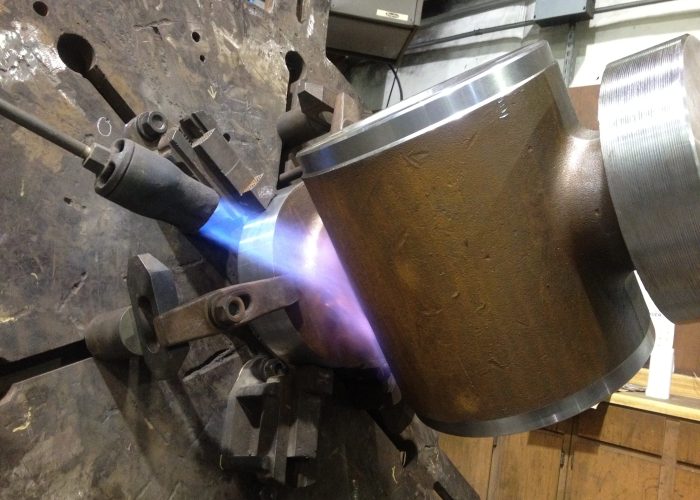
Hardfacing and cladding are surface overlay processes with different material characteristics that meet different requirements. While similar, they serve different purposes and are applied in various contexts.
Hardfacing involves applying a hard material layer to improve wear resistance. It’s common in industries like mining and agriculture.
Cladding, on the other hand, bonds a material layer to enhance corrosion resistance or aesthetics. It’s often used in oil, gas, and chemical processing.
This guide explains the main differences between hardfacing and cladding techniques, their applications, benefits, and how to choose the right one for your needs.
What Is Hardfacing?
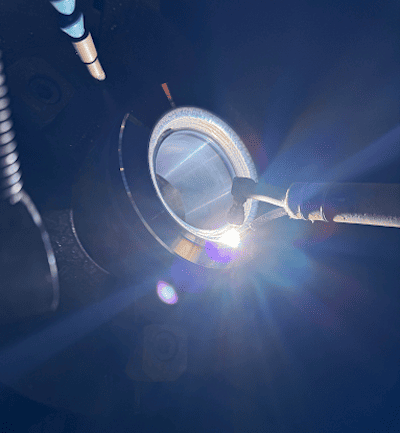
Hardfacing is a welding process that applies a wear-resistant layer to metal surfaces, extending the lifespan of machinery and equipment. It involves depositing a durable material onto a substrate, typically through welding.
The primary goal of hardfacing is to improve wear resistance. This method is widely applied in industries that experience high abrasion and impact. Common sectors include mining, agriculture, and construction.
Hardfacing materials are selected for hardness and durability, with common options including tungsten carbide, chromium carbide, and specialized alloys. Selection depends on specific wear conditions.
Several techniques can be used to apply hardfacing layers. Popular methods include:
- Arc welding
- MIG (Metal Inert Gas) welding
- TIG (Tungsten Inert Gas) welding
- Thermal spray
- Spray-fuse
- Laser hard facing
This process can be automated, making it suitable for large-scale industrial applications. By reinforcing metal surfaces, hardfacing effectively reduces maintenance costs and enhances the performance of essential equipment.
What Is Cladding?
Cladding is a weld-overlay process that bonds a protective layer to the surface of a substrate. Unlike hardfacing, cladding focuses on enhancing corrosion resistance and aesthetics. This process is key in environments where harsh conditions prevail.
The primary objective of cladding is to shield materials from environmental damage. Industries such as oil and gas, chemical processing, and construction benefit significantly from this technique. It ensures the longevity and integrity of metal components.
Cladding materials are chosen based on their resistance to corrosion and thermal stability. Frequently used materials include stainless steel, nickel alloys, and titanium. These materials are selected to match the specific needs of the application.
Multiple techniques exist for applying cladding layers, each providing unique advantages. Common cladding methods include:
- Roll bonding
- Explosive welding
- Laser cladding
This process often requires precision to achieve a consistent layer thickness. By using cladding, industries not only protect their assets but also enhance the visual appeal of metal components. This balance of function and form makes cladding a valuable asset in many fields.
Key Differences Between Cladding and Hardfacing
Hardfacing and cladding are distinct processes that are often confused. Each serves a unique purpose. They cater to different industrial needs by enhancing metal surfaces through different methods.
The primary goal of hardfacing is to improve wear resistance. It’s achieved by adding a hard layer to metal surfaces. In contrast, cladding is about protecting against corrosion. It uses a protective metal layer for that purpose.
Material Suitability
- Hardfacing Materials: Tungsten carbide, chromium carbide, specialized alloys.
- Cladding Materials: Stainless steel, nickel alloys, titanium.
The materials chosen for each process reflect their objectives. Hardfacing materials withstand wear. Cladding materials resist corrosion.
Processes & Techniques
- Hardfacing Processes: Arc welding, MIG, TIG.
- Cladding Processes: Roll bonding, explosive welding, and laser cladding.
Technological methods vary as well. Hardfacing relies heavily on welding techniques. Cladding requires precise control to achieve layer uniformity.
Hardfacing is usually more cost-effective. It suits scenarios demanding high-wear resistance. On the contrary, cladding can be more costly due to the complexities of materials and processes. It offers unmatched corrosion protection.
Understanding these differences helps in selecting the most suitable surface enhancement technique. Prioritize wear resistance when abrasion or impact is the main challenge, and prioritize corrosion resistance when environmental exposure is the main concern. Consider cost and precision as well to match the process to the application.
Applications and Industries
Hardfacing is widely used in industries where equipment endures extreme wear. Mining and agriculture sectors leverage this technique extensively. It’s also a staple in repair and maintenance operations for heavy machinery.
Cladding, however, shines in environments where corrosion is a prime concern. The oil and gas industries favor this method for its resistance capabilities. It’s prevalent in chemical processing and architectural applications.
Common Industries Utilizing These Techniques
- Hardfacing: Mining, agriculture, manufacturing.
- Cladding: Oil and gas, chemical processing, architecture.
Both techniques prove invaluable across various sectors. They offer tailored solutions to extend equipment lifespan and enhance performance. Choosing the right process can significantly impact operational efficiency. Understanding their specific industrial applications helps make the optimal choice for durability and protection.
Benefits and Limitations
Hardfacing offers remarkable benefits, including extending equipment life. It enhances wear resistance, reducing downtime and maintenance costs. However, its scope is limited when corrosion resistance is required.
Cladding primarily excels in protecting surfaces from harsh environmental factors. It provides superior corrosion protection and can improve thermal resistance. Yet, this process is typically more costly due to the complexities of materials and applications.
Key Benefits and Limitations
- Hardfacing Benefits: Cost-effective for wear resistance, offers improved impact resistance.
- Hardfacing Limitations: Not ideal for corrosion protection.
- Cladding Benefits: Superior corrosion protection, good for joining dissimilar metals.
- Cladding Limitations: Higher expense, requires precision.
Both methods offer distinct advantages tailored to specific needs. While they extend the lifespan of metal components, the choice must align with the intended application. Carefully balance costs and benefits in this decision-making process.
Choosing the Right Technique
Selecting between hardfacing and cladding depends on specific application needs. Choose hardfacing when the main goal is wear resistance, and choose cladding when the main goal is corrosion protection. Consider the intended surface challenge first to make an informed choice.
You should evaluate the operating environment and desired properties. Use wear resistance, corrosion protection, thermal stability, and budget to guide the decision. Match the process to the conditions the component will face.
Key Factors to Consider
- Application Requirement: Wear or corrosion resistance?
- Material Compatibility: Suitable for hardfacing or cladding?
- Budget Constraints: Is cost a limiting factor?
- Process Complexity: Is precision critical?
By weighing these factors, you ensure that your choice effectively meets operational demands. Understanding your objectives helps in maximizing material longevity while optimizing costs.
Conclusion
Understanding the difference between cladding and hardfacing is essential for optimizing metal surface properties. Selecting the right technique increases durability, performance, and cost-efficiency, ensuring that each application benefits from its specific surface treatment strategy.
Read More:
Weld Overlay vs Cladding Guide
Differences Between MIG & TIG Welding
References:
Tandon, D., Li, H., Pan, Z., Yu, D., & Pang, W. (2023). A Review on Hardfacing, Process Variables, Challenges, and Future Works. Metals, 13(9), 1512.
Cotell, C. M., Sprague, J. A., & Smidt, F. A., Jr. (Eds.). (1994). ASM handbook: Volume 5, surface engineering. ASM International.
Hardfacing of metals: A review of consumables, properties, and strengthening processes. Journal of Materials Research and Technology 14(4), pp. 1234-1245. (2025). https://doi.org/10.1016/j.jmrt.2025.04.221