
Blog

Mechanical Testing to Ensure Material Strength and Toughness
Mechanical testing is the backbone of verifying that metal parts can withstand real-world stresses. Whether you have a steel beam for construction or a critical turbine component, these tests measure how much load, bending, or impact a material can take before it yields or breaks. At WH Labs, we specialize...
continue reading
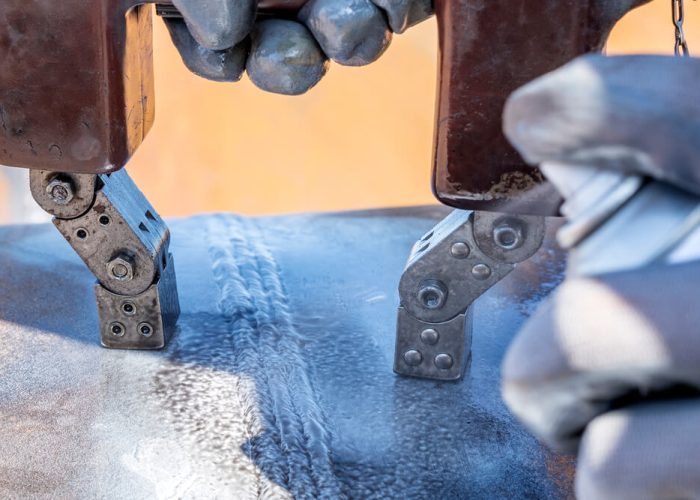
Houston Magnetic Particle Testing Services
WH Labs performs magnetic particle testing (MT) in Houston to find surface and near-surface defects in ferromagnetic metal components, including welds, pressure vessels, and pipeline sections. The process magnetizes a component and applies iron particles that gather at cracks or discontinuities, revealing flaws invisible to the naked eye. WH Labs'...
continue reading

Houston Heights Metallurgical Testing Services
WH Labs provides extensive metallurgical testing services in Houston Heights, TX, and all surrounding areas to address the most challenging material characterization needs across industries. Our holistic approach combines microstructural analysis via SEM and X-ray diffraction with rigorous mechanical testing protocols that reveal critical performance parameters. When manufacturing processes fail...
continue reading
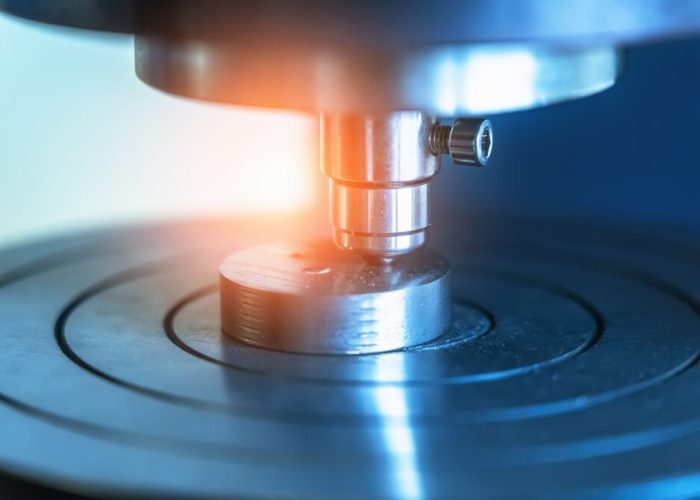
Impact Testing Services
We often overlook the durability of materials in our everyday lives, but impact testing plays a significant role in ensuring their reliability. As we explore this essential field of materials science, we'll uncover the various methods used to evaluate a material's ability to withstand sudden forces. From the familiar Charpy test to more advanced techniques, impact testing provides...
continue reading
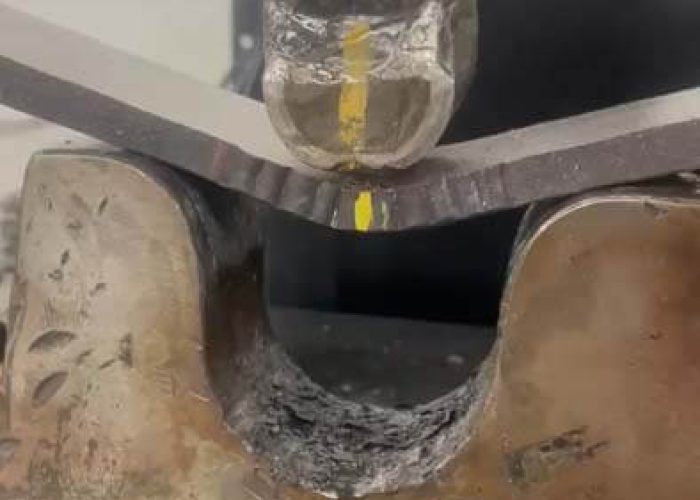
Bend Testing Guide: Techniques, Equipment, and Standards
As we delve into the world of materials testing, we can't overlook the importance of bend testing. It's a vital method that engineers use to assess how materials behave under bending stress. We'll find that this seemingly simple test reveals a wealth of information about a material's ductility, toughness, and overall performance. By understanding...
continue reading
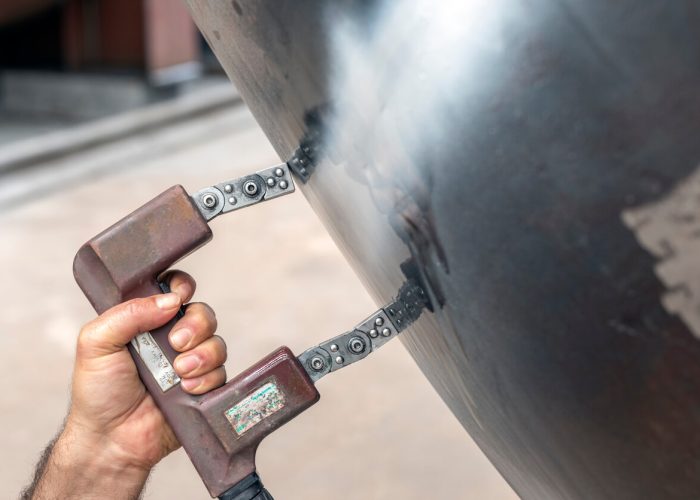
How Does Magnetic Particle Inspection Detect Surface Cracks?
Let's investigate how magnetic particle inspection (MPI) detects critical failures within essential industries. MPT functions as an essential early warning system because it detects tiny surface cracks before they transform into major structural problems. The diagnostic power of this method stems from basic magnetic principles, which produce results that surpass...
continue reading
How Failure Analysis Saves You Time and Money
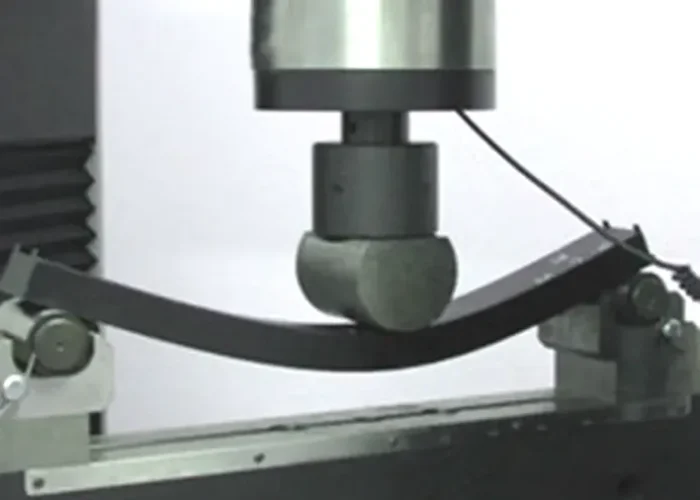
We've all experienced that sinking feeling when equipment fails at the worst possible moment. What if those breakdowns could actually save your organization money? In our analysis of industrial maintenance practices, we've found that systematic failure analysis transforms problems into valuable knowledge assets. By understanding exactly why components fail, companies...
continue reading

Impact Charpy and Izod Testing by WH Labs
In our material testing laboratory, we've observed that impact resilience often reveals critical failure points that conventional tensile tests miss. We're continuously analyzing how sudden force application affects various materials under different conditions. The distinction between Charpy and Izod testing methodologies isn't merely procedural—it's fundamental to understanding a material's behavior...
continue reading

Metals Composition Testing in Houston, TX
At WH Labs, we've revolutionized metals composition testing through advanced spectroscopic techniques that detect elements at parts-per-trillion levels. Our ICP-MS, XRF, LIBS, and TXRF methodologies deliver precise results with rapid turnaround times for aerospace, medical, and consumer product applications. We're committed to regulatory compliance with standards like RoHS and REACH...
continue reading

Importance of Working with Accredited and Certified Labs
When it comes to non-destructive testing (NDT), the accuracy of inspection results depends heavily on the qualifications of the laboratory and technicians performing the work. Working with an accredited and certified lab helps ensure inspections are performed according to recognized industry standards, using validated procedures, calibrated equipment, and qualified personnel....
continue reading
Houston Liquid Penetrant Testing (PT) Services
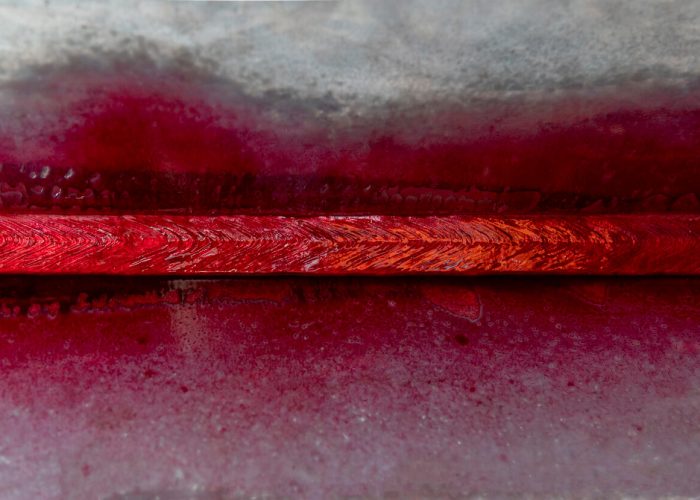
WH Labs performs liquid penetrant testing (PT) in Houston to find surface-breaking defects in welds, castings, and forgings on non-porous materials such as metals, plastics, and ceramics. The method applies a penetrant that seeps into fine cracks through capillary action, then draws it back out with a developer to make...
continue reading
Wet vs Dry Magnetic Particle Testing: Which Method Should You Use?
Wet and dry magnetic particle testing (MPI) are both used to detect surface and near-surface defects in ferromagnetic materials. The key difference is sensitivity versus practicality: wet MPI offers higher detection sensitivity for fine cracks, while dry MPI is better suited for rough surfaces, field conditions, and large-scale inspections. The...
continue reading